Common issues That an LCD Touchscreen Display Might Develop with Time
INTRODUCTION
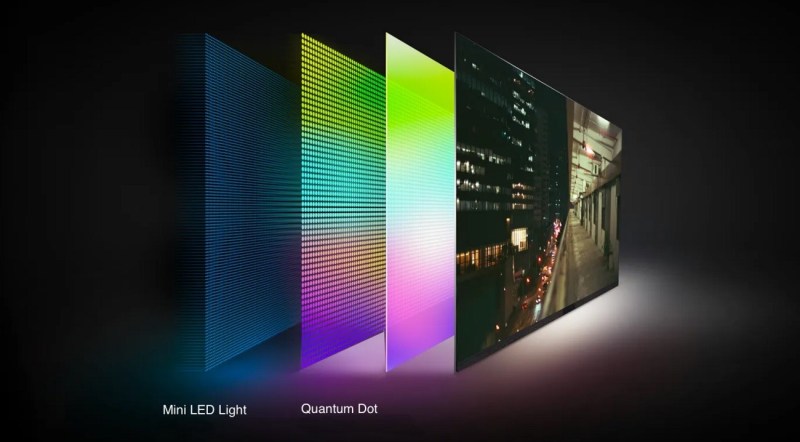
An LCD is a display type that produces pictures using liquid crystals. A wide range of gadgets, including televisions, PCs, and portable media players, employ LCDs. LCDs have become more popular because they are lightweight, energy-efficient, and offer a wide range of colours. The cost of manufacturing LCDs is also lower than that of other display kinds.
The touch capability of a liquid crystal display touch screen is provided by extra layers that are added on top of the display components themselves. The two most popular methods for detecting human touch on a display are capacitive and resistive sensing.
Capacitive and resistive touchscreen technologies are both available. Capacitive depends on the electrical characteristics of the human body, whereas resistive employs pressure to elicit a reaction. Because of this, the resistive touchscreen only responds to little pressure from a finger or stylus. Capacitive touchscreens, on the other hand, don’t react until they detect energy from the human body.
These days, a common kind of LCD module that may be used in many different gadgets is the touchscreen. These are employed by companies that produce, among other things, ATMs, computers, laptops, and cell phones.
Choosing the right touchscreen LCD display module for your project or business requires more information than simply being aware of the various varieties available. Additionally, you must comprehend the many issues that are faced.
TROUBLESHOOTING TIPS
LCD screens are now standard in a lot of homes and businesses. LCD screens are becoming more and more popular because they are durable, have a long lifespan, and are easy to use.
Nevertheless, there are several issues with LCD panels that might arise. Some of these problems include: -Dead pixels -Blurry screen -Fuzzy screen -Too dark -Burn-in -Ghosting -Unwanted backlight bleeding -Unwanted image retention -Unwanted image -Unwanted screen burn -Unwanted screen freeze -Unwanted screen tear.
These are only a handful of the many problems that LCD panels could have. Some of the reasons for these problems are: -Device being dropped -Device being moved too quickly -Device being moved too slowly -Device being moved too much -Device being moved too little -Device being moved too hard -Device being moved too softly -Device being moved too much -Device being moved too little -Device being moved too hard -Device being moved too softly.
- First, increase the brightness and contrast settings on your LCD if it doesn’t show any images at all while getting power and a video signal. If that still doesn’t work, turn off the computer and the LCD, unplug the LCD signal line, and turn on the LCD on its own. It ought to show some kind of startup screen, even if it’s just a message saying “No video signal.” If nothing happens and no notice appears, get in touch with the LCD manufacturer’s technical assistance. You might need to click a button to cycle among the inputs and set the LCD to the proper input if it supports multiple inputs.
- Some pixels are always on or off. This is a defect-related feature of LCDs, especially older and less-priced versions. Manufacturers establish a minimum value below which a display is deemed acceptable. It varies depending on the maker, the model, and the size of the display, but it is normally between 5 and 10 pixels. (Most modern, higher-quality LCDs have no dead pixels.) It is impossible to repair broken pixels. Manufacturers won’t repair LCDs under warranty until there are more than a certain number of damaged pixels.
- Blocky, jagged, or shadowy text or lines, when an LCD is used at a resolution different than its original one, happens. For instance, if your display adapter is set to 1024×768 but your 19″ LCD has a native resolution of 1280×1024, your LCD will attempt to show those 1024×768 pixels at full-screen size, which technically amounts to 1280×1024. Artefacts like blocky or poorly rendered letters, jagged lines, and other defects are produced as a result of the pixel extrapolation required to cover the screen with the smaller picture. Set your LCD to display the lower-resolution image without extending the display (a function frequently referred to as display expansion), or your video adapter to display the LCD’s original resolution so that pixels are visible 1:1.
- Check to make sure the display is not linked through a KVM switch or an extension cable if the screen is displaying a complete, steady image but the image is of low quality. If so, use the common cable to connect the monitor directly to the video adapter. Make adjustments to the brightness, contrast, and focus settings if such is already the case. The most frequent cause of an improper picture while utilising these controls is a clock or phase mismatch, which may be fixed by following the instructions in the item before it.
PROBLEMS OCCURRING IN LCDs
LCD is an electronic device that displays images in various colours. LCD displays are found in televisions, computers, mobile phones, and other electronic devices. LCD screens are often used in smartphones because they are thinner, lighter, and cheaper than traditional LCD screens.
LCD screens have been around for many years but only became popular in the last decade. They became so popular because of their sleek design and wide range of colours. LCD screens are more expensive than CRTs, which is another type of screen, but they are more energy efficient and have shorter response times.
The LCD touchscreen troubleshooting tips are to fix problems occurring in LCD screens. Problems that occur in these screens are:
Improper Calibration
In order to match a command to a screen’s response, touchscreen technology has to be properly calibrated to be able to detect where the screen is being touched. The screen won’t be able to deliver the right response when its calibration is lost. Sometimes a touch won’t even register on the screen. This defeats the goal of the gadget for users. Recalibrating the screen will solve this issue.
Muck and Harm
Touchscreens are vulnerable to being destroyed or damaged since they are typically operated by fingers or other devices that are exposed to foreign substances. When touched or used with a stylus, dirt and oil can be transferred to the screen and interfere with the operation. It will not be able to respond accurately if the screen is damaged. There’s a chance that some screen elements won’t even work at all. By utilising screen protectors and keeping the device clean, you may avoid this.
System and Operation Deterioration
Even if you take careful care of the screen, over time the system may experience issues. With time, the device system may become sluggish and unresponsive or unable to register user inputs. If this occurs, you can try refreshing the system and reconfiguring the screen to see if it helps.
Even with routine maintenance, these issues with touchscreen technology are widespread. Understanding the root causes of these issues can help you prepare for them and know what to do when they arise.
Difficulty in Low Light
LCD is the most common type of screen used on computers, televisions, smartphones, tablets, and other electronic devices. It is a thin, flat panel that is made up of millions of tiny crystals. These crystals give the LCD the ability to display images in a wide variety of colours. This allows LCD screens to display the same colours as natural light, which is why they are perfect for outdoor use.
A common problem with LCD screens is that they can be difficult to see in bright light. The LCD screen is typically made with a layer of polarized glass on top that filters out some of the light. This makes it easier for the screen to see in low light, but it also makes it harder for the LCD screen to see in bright light.
OTHER PROBLEMS OCCURRING WITH LCDs
The power indicator is still on after the picture comes and then vanishes.
An issue with the power supply, the inverter, or one of the lamps or LEDs (the backlight of a screen is composed of numerous lamps or many LEDs that produce light to the screen) may be to blame if the monitor briefly shows an image before it fades. When the built-in safety detects a problem with one or more lamps or LEDs, the display will first light up and switch off ALL lights/LEDs (the picture will still be present, but without light, so the screen will display “no image”).
A blank screen without any images.
If all you see is a white screen with no picture, there is likely an issue with the internal cable connecting the motherboard to the electrical module of the screen. Or it could be an issue with the module of the screen itself.
Sometimes, the screen disappears.
The screen operates for a while before abruptly ceasing to function. Usually, the power source is the issue.
The display is dead.
If the screen is completely unresponsive, the motherboard or power supply may be at fault.
CONCLUSION
The LCD panel in your monitor has been harmed if it has noticed any of the above problems. LCDs are the best and the most common touchscreen displays these days. But, still there can be problems that can occur with time and usage. Hope the blog was helpful to you.
The post Common issues That an LCD Touchscreen Display Might Develop with Time appeared first on EAGLE TOUCH.
from
https://eagle-touch.com/common-issues-that-an-lcd-touchscreen-display-might-develop-with-time/
Article Source : eagletouch1.weebly.com/blog...
